top of page

LEADERSHIP INSIGHTS 

Subscribe to get exclusive updates

Have you ever wondered what it takes to lead with confidence and clarity in today’s fast-paced, complex world? As senior executives, the challenges you face are unique and demanding. Navigating these waters requires more than just experience, it demands insight, resilience, and a trusted partner who understands your journey. That’s where a global coaching adventure comes in. Let me take you through an exciting exploration of how coaching can transform leadership and why quest coaching international stands out as a beacon for executives aiming to reach their peak potential.


Why a Global Coaching Adventure Matters for Senior Leaders


Leadership today is not confined by borders. Executives operate in a global arena where cultural nuances, market volatility, and rapid innovation shape every decision. This is why embarking on a global coaching adventure is essential. It’s about more than just improving skills; it’s about expanding perspectives and unlocking new possibilities.


Imagine having a coach who understands the intricacies of global business and can tailor strategies that resonate with your unique challenges. This kind of coaching helps you:


  • Enhance cross-cultural communication to build stronger international teams.

  • Develop agility to respond swiftly to market changes.

  • Strengthen emotional intelligence for better stakeholder engagement.

  • Create sustainable growth strategies that align with your organisation’s vision.


This adventure is a journey of self-discovery and professional growth that empowers you to lead with authenticity and impact.


Eye-level view of a modern office with a globe and leadership books

What Makes Quest Coaching International a Game-Changer?


When I first encountered quest coaching international, I was struck by their commitment to empowering leaders at the highest level. They don’t just offer coaching; they provide a transformative experience designed specifically for senior global executives.


Here’s what sets them apart:


  • Tailored Coaching Programs: Every executive’s journey is unique. Their bespoke coaching plans address individual goals, challenges, and leadership styles.

  • Experienced Coaches: Their team comprises seasoned professionals with deep expertise in global business dynamics and leadership development.

  • Holistic Approach: They focus on the whole leader – mindset, skills, and behaviours – ensuring sustainable change.

  • Proven Methodologies: Using evidence-based techniques, they help leaders unlock potential and drive measurable results.


For example, one executive I know worked with them to navigate a complex merger across multiple countries. Through targeted coaching, they developed the confidence and strategic insight needed to lead the integration successfully, resulting in a smoother transition and stronger team cohesion.


Close-up of a coaching session with a notebook and pen on a desk

How to Maximise Your Global Coaching Adventure


Ready to dive into your own coaching journey? Here are some practical tips to make the most of it:


  1. Set Clear Objectives: Define what success looks like for you. Is it improving decision-making, enhancing team leadership, or managing stress better?

  2. Be Open and Honest: Coaching thrives on transparency. Share your challenges and aspirations candidly.

  3. Commit to Action: Coaching is not passive. Apply insights and strategies consistently in your daily work.

  4. Seek Feedback: Regularly check in with your coach and peers to gauge progress and adjust your approach.

  5. Reflect Often: Take time to reflect on your growth and celebrate milestones.


By embracing these steps, you transform coaching from a one-time event into a continuous leadership evolution.


The Impact of Coaching on Sustainable Growth and Leadership


Sustainable growth is the holy grail for any organisation, and it starts with leadership. Coaching helps leaders develop the resilience and vision needed to foster long-term success. It encourages a mindset shift from reactive management to proactive leadership.


Consider these benefits:


  • Improved Decision-Making: Coaching sharpens your ability to analyse complex situations and make informed choices.

  • Enhanced Team Performance: Leaders who invest in coaching inspire and motivate their teams more effectively.

  • Greater Innovation: Coaching encourages creative thinking and openness to new ideas.

  • Stronger Organisational Culture: Leaders who grow personally and professionally contribute to a positive, high-performance culture.


These outcomes are not just theoretical. Executives who engage in coaching report higher job satisfaction, better work-life balance, and stronger organisational results.


Taking the First Step on Your Leadership Journey


Are you ready to elevate your leadership and make a lasting impact? The path to peak performance and meaningful influence begins with a single step – embracing the power of coaching. Whether you’re facing a major transition, seeking to enhance your leadership presence, or aiming to inspire your teams globally, a coaching partnership can be your greatest asset.


Explore how quest coaching international can guide you on this exciting global coaching adventure. Your leadership potential is waiting to be unleashed – why wait any longer?


Start your journey today and watch how your leadership transforms not just your organisation, but your entire professional life. The adventure is yours to take, and the possibilities are endless!

Are you ready to take your coaching skills to the next level? Whether you're a leader, coach, therapist, or consultant, having access to the right resources can make all the difference. I’ve been there, searching for practical tools, proven techniques, and insightful wisdom to help me grow professionally and personally. Today, I want to share with you some of the best online coaching resources that can transform your approach and boost your expertise. Let’s dive in and explore how you can unlock your full potential!


Why Coaching Resources for Professionals Matter


You might wonder, why invest time in coaching resources? The answer is simple: the coaching industry is evolving fast, and staying ahead means continuously learning and adapting. These resources are designed to deepen your understanding of human behaviour, sharpen your skills, and provide fresh perspectives that you can apply immediately.


Imagine having access to e-courses that break down complex concepts into manageable lessons, e-books packed with actionable strategies, and e-magazines that keep you updated on the latest trends. These tools are not just educational, they’re transformational. They help you build confidence, improve client outcomes, and expand your professional toolkit.


Here’s what you can expect from top coaching resources:

  • Practical exercises that you can implement right away

  • Real-world case studies to learn from others’ experiences

  • Interactive content that keeps you engaged and motivated

  • Expert insights from seasoned coaches and psychologists


Are you excited yet? You should be! These resources are your gateway to becoming a more effective and inspiring coach.


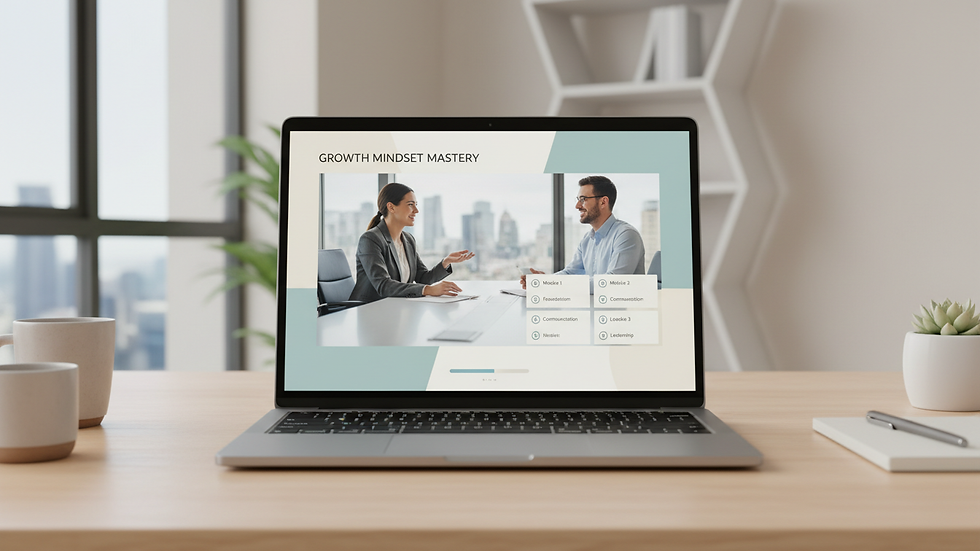
Eye-level view of a laptop displaying an online coaching course

Essential Coaching Resources for Professionals


Let’s get specific. What types of coaching resources should you focus on? Here are some categories that have proven invaluable for me and many others in the field:


1. E-Courses and Webinars

Online courses offer structured learning paths that cover everything from foundational coaching skills to advanced techniques. Look for courses that include video lessons, quizzes, and downloadable materials. Webinars are also fantastic for real-time interaction and Q&A sessions with experts.


2. E-Books and Guides

E-books provide in-depth knowledge on specific topics like motivation, leadership, or emotional intelligence. They’re perfect for deep dives and can be revisited whenever you need a refresher. Many guides also include worksheets and templates to help you apply what you learn.


3. E-Magazines and Newsletters

Staying current is crucial. E-magazines and newsletters deliver the latest research, trends, and success stories straight to your inbox. They’re a great way to stay inspired and informed without overwhelming your schedule.


4. Toolkits and Templates

Practical tools like coaching frameworks, session planners, and assessment templates save you time and enhance your professionalism. These resources help you structure your sessions and track client progress effectively.


5. Community and Support Networks

Don’t underestimate the power of connection. Many platforms offer forums, mastermind groups, or coaching communities where you can share experiences, ask questions, and get feedback. Learning alongside peers accelerates your growth.


By combining these resources, you create a well-rounded learning experience that supports your development from multiple angles.


How to Choose the Right Online Coaching Resources


With so many options available, how do you pick the best ones? Here are some tips to guide your selection:


  • Identify your goals: Are you looking to improve your motivational techniques, understand behavioural psychology better, or enhance your leadership coaching? Knowing your focus helps narrow down choices.

  • Check credentials: Look for resources created by reputable experts with proven experience in coaching and human behaviour.

  • Read reviews: Feedback from other professionals can reveal the quality and usefulness of a resource.

  • Consider format: Do you prefer video lessons, reading materials, or interactive content? Choose what fits your learning style.

  • Evaluate support: Some courses offer coaching or mentoring alongside the content, which can be a huge advantage.


Remember, investing in yourself is the best investment you can make. If you want to buy coaching resources online, make sure you pick those that align with your professional needs and personal learning preferences.


Close-up view of a tablet showing a coaching e-book

Practical Tips to Maximise Your Learning Experience


Having the right resources is just the start. To truly benefit, you need to engage actively and apply what you learn. Here are some strategies that have worked wonders for me:


  1. Set clear learning objectives: Before starting any course or reading, define what you want to achieve. This keeps you focused and motivated.

  2. Create a study schedule: Dedicate regular time slots for learning. Consistency beats cramming every time.

  3. Take notes and summarise: Writing down key points helps retention and makes it easier to review later.

  4. Apply immediately: Try out new techniques in your coaching sessions or personal life. Real-world practice cements knowledge.

  5. Reflect and adjust: After applying new skills, reflect on what worked and what didn’t. Adjust your approach accordingly.

  6. Engage with communities: Join discussions, ask questions, and share your insights. Teaching others is a powerful way to deepen your understanding.


By following these tips, you’ll turn passive learning into active growth, accelerating your journey to mastery.


Unlock Your Full Potential with the Right Resources


Are you ready to transform your coaching practice and personal development? The right online coaching resources can be your secret weapon. They provide the knowledge, tools, and inspiration you need to overcome challenges, set ambitious goals, and achieve personal excellence.


Don’t wait for opportunities to come knocking, create them! Dive into e-courses, explore insightful e-books, and stay updated with e-magazines. Remember, you can always buy coaching resources online to get started immediately.


Your journey to becoming a more skilled, confident, and impactful coach begins now. Embrace the learning, apply the wisdom, and watch your professional and personal life flourish!


Ready to explore more? Keep seeking, keep growing, and keep coaching with passion!

Dealing with a difficult boss can feel like navigating a stormy sea without a compass. But guess what? You don’t have to just endure it, you can learn to manage it effectively and even thrive despite the challenges. I’ve been there, and I know how frustrating it can be when your boss’s style clashes with your own. The good news is, with the right strategies, you can turn this tough situation into an opportunity for growth and success.


Let’s dive into some practical, actionable ways to handle those tricky dynamics and come out stronger on the other side!


Understanding the Dynamics of Managing Difficult Workplace Relationships


Before you can manage a difficult boss, it’s crucial to understand what makes workplace relationships challenging. Often, it’s a mix of communication styles, expectations, and personality clashes. Your boss might be demanding, micromanaging, or even unpredictable. But remember, their behaviour often reflects pressures or challenges you might not see.


Here’s what I’ve learned: recognising the root causes of the difficulty is the first step to managing it. Are they stressed about deadlines? Do they lack clear communication skills? Or maybe they have a different vision of success than you do? Pinpointing these factors helps you tailor your approach.


Try these steps to get started:


  • Observe carefully: Notice patterns in their behaviour and triggers.

  • Reflect on your reactions: How do you respond? What escalates tension?

  • Seek clarity: Ask questions to understand their expectations better.


By doing this, you’re not just reacting—you’re strategising. And that’s powerful.


Eye-level view of a cluttered office desk with a laptop and notes

Practical Tips for Managing Difficult Workplace Relationships


Now that you understand the dynamics, let’s talk about what you can do daily to improve your relationship with your boss. These strategies are designed to empower you, so you feel confident and in control.


1. Communicate Clearly and Assertively


Clear communication is your best weapon. When you speak up respectfully and assertively, you reduce misunderstandings and build trust. Use “I” statements to express your needs without sounding confrontational. For example:


  • “I feel overwhelmed when deadlines change last minute. Can we discuss a more consistent schedule?”

  • “I want to ensure I’m meeting your expectations. Could you clarify the priorities for this project?”


2. Manage Your Emotions


It’s easy to get frustrated or defensive, but staying calm helps you think clearly and respond effectively. When you feel triggered, take a deep breath, pause, and choose your words carefully. Practising mindfulness or quick breathing exercises can be a game-changer.


3. Set Boundaries


Difficult bosses sometimes blur professional lines. It’s okay to set boundaries around your time and workload. Politely but firmly say no when necessary, and suggest alternatives. For example:


  • “I can’t take on this task right now, but I can help after I finish my current project.”


4. Document Everything


Keep records of important communications, deadlines, and feedback. This protects you if conflicts escalate and helps you track progress objectively.


5. Seek Support and Feedback


Don’t isolate yourself. Talk to trusted colleagues or mentors for advice and perspective. Sometimes, an outside view can reveal solutions you hadn’t considered.


Remember, these tips are not about changing your boss, they’re about managing your relationship with them effectively. And if you want a deeper dive, check out this how to handle a bad boss guide for more insights.


Close-up view of a notebook with handwritten notes and a pen

What is the 30-60-90 Rule for Managers?


You might wonder how structured approaches can help in managing difficult bosses. The 30-60-90 rule is a fantastic framework often used by managers to set clear goals and expectations during the first three months of a new role. But guess what? You can apply this rule to your relationship with your boss too!


Here’s how it works:


  • First 30 days: Focus on learning and observing. Understand your boss’s style, priorities, and communication preferences.

  • Next 60 days: Start applying what you’ve learned. Adjust your work habits and communication to align better with their expectations.

  • Final 90 days: Evaluate progress and seek feedback. Discuss what’s working and what could improve.


Using this rule helps you create a roadmap for improving your relationship systematically. It turns a vague challenge into manageable steps. Plus, it shows your boss you’re proactive and committed to success.


Try setting your own 30-60-90 plan for managing your interactions. It’s a smart way to stay focused and motivated.


Building Resilience and Staying Motivated


Managing a difficult boss isn’t just about tactics, it’s also about mindset. You need resilience to keep going when things get tough. Here’s how I stay motivated and bounce back:


  • Focus on your goals: Keep your bigger career and personal development goals front and centre. Your boss’s behaviour doesn’t define your potential.

  • Celebrate small wins: Every time you handle a tough conversation well or meet a challenge, acknowledge it. These wins build confidence.

  • Practice self-care: Don’t neglect your wellbeing. Exercise, hobbies, and downtime recharge your energy and reduce stress.

  • Learn continuously: Use this experience as a learning opportunity. What skills are you developing? How are you growing as a professional?


Remember, you’re not alone in this. Many leaders, coaches, and consultants face similar challenges. Your ability to manage difficult workplace relationships is a skill that will serve you throughout your career.


Taking Charge of Your Professional Growth


Ultimately, managing a difficult boss is about taking charge of your own professional journey. You can’t control others, but you can control how you respond and grow. Use every challenge as a stepping stone to becoming a stronger, wiser leader.


Here are some final tips to keep in mind:


  • Stay proactive: Don’t wait for problems to escalate. Address issues early with tact and confidence.

  • Keep learning: Invest in e-courses, e-magazines, and e-books that enhance your coaching skills and understanding of human behaviour.

  • Network wisely: Build relationships with people who inspire and support you.

  • Maintain professionalism: Always act with integrity and respect, even when it’s hard.


By embracing these strategies, you transform difficult workplace relationships into opportunities for personal excellence and career development. You have the tools, the mindset, and the power to unlock your full potential.


Go ahead, take the first step today! Your future self will thank you.


Ready to master your professional relationships and boost your coaching expertise? Dive into resources designed to elevate your skills and transform your life.

© 2026 QUEST COACHING INTERNATIONAL

  • LinkedIn
  • Instagram
CoachSource Qualified logo
bottom of page